Servicing : Gold CoastBrisbaneSunshine CoastToowoomba

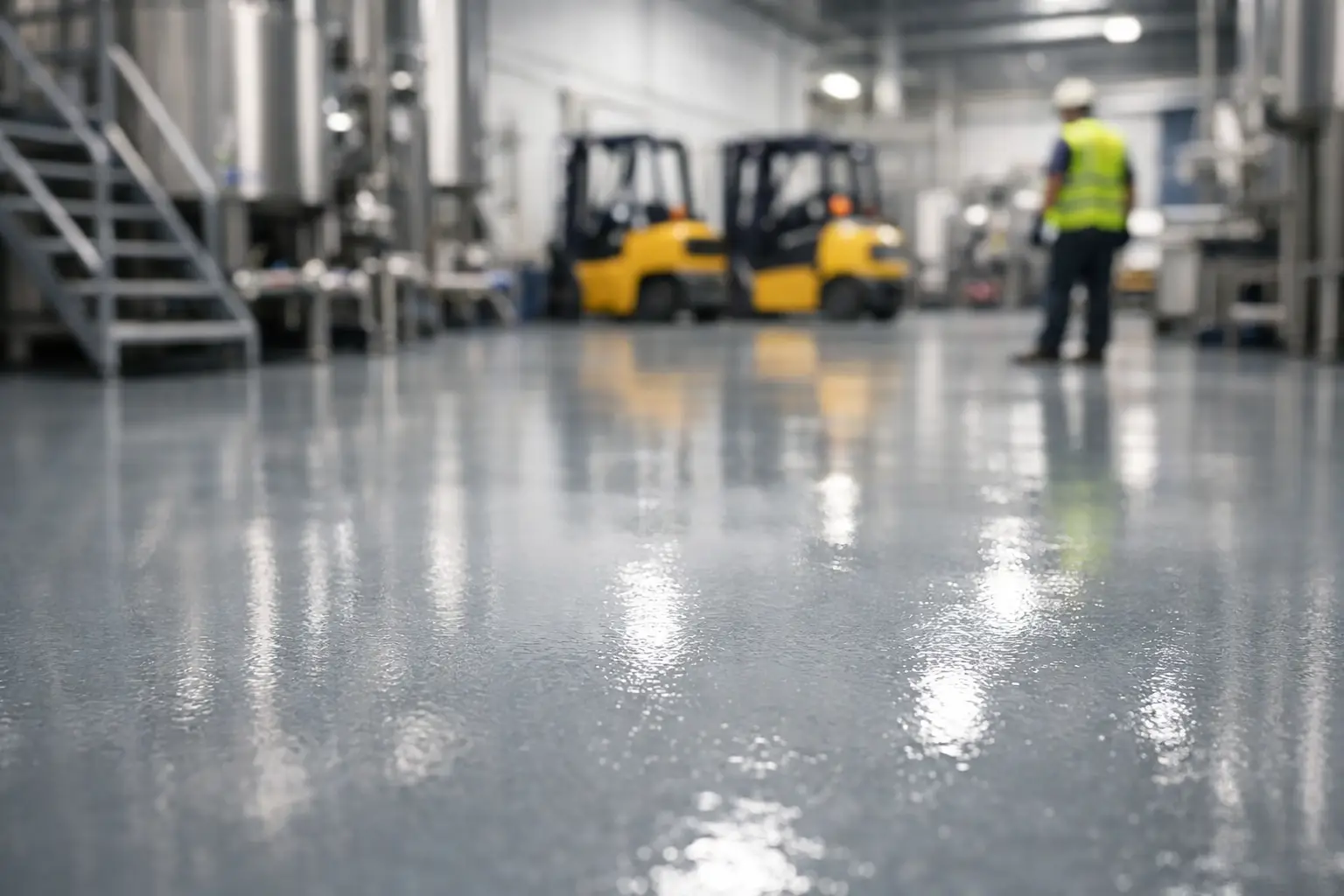
Heavy Duty Resin Flooring That Lasts
A warehouse floor that powders, stains or starts lifting under traffic is not just an eyesore – it slows work, creates cleaning issues and drives up repair costs. That is why heavy duty resin flooring is not a cosmetic upgrade. It is a performance surface designed to handle daily punishment while keeping the space safer, cleaner and easier to maintain.
For property owners, builders and facility managers, the real question is not whether resin looks better than bare concrete. It does. The bigger question is whether the system is specified and installed properly for the conditions on site. That is where long-term value is won or lost.
What heavy duty resin flooring is built to do
Heavy duty resin flooring is a high-performance coating or screed system applied over prepared concrete to create a hard-wearing, sealed surface. In practical terms, it is used where ordinary paint fails and untreated concrete is no longer good enough.
These floors are commonly chosen for garages, workshops, warehouses, commercial kitchens, plant rooms, showrooms and other high-use environments. The appeal is straightforward. You get a seamless finish that resists abrasion, chemical spills, tyre traffic and general wear far better than standard floor paints or budget coating products.
Not all resin floors are equal, though. Some systems are designed for decorative residential use, while others are engineered for forklift traffic, dropped tools, washdowns or constant foot movement. A garage that sees family cars and weekend projects has very different demands from a distribution centre or manufacturing space. The best result comes from matching the resin build, thickness and texture to the way the floor will actually be used.
Why heavy duty resin flooring outperforms bare concrete
Concrete is strong, but it is also porous. Left unprotected, it absorbs oils, marks easily, generates dust and gradually wears at the surface. In busy spaces, that becomes a maintenance problem fast.
A properly installed resin system seals the slab and adds a sacrificial wear layer that takes the abuse instead of the concrete underneath. That means less dust, easier cleaning and better resistance to staining. In operational spaces, those gains matter. Staff spend less time fighting grime, and the floor presents better for customers, tenants or site inspections.
There is also a safety angle. Slip resistance can be built into the finish to suit the environment, which is especially important in commercial and industrial settings. The right texture needs balance. Too smooth and the floor can become risky when wet. Too aggressive and it becomes harder to clean or uncomfortable for wheeled traffic. Good flooring design is never one-size-fits-all.
Where performance really depends on the install
The part most people do not see is the part that decides how long the floor lasts. Surface preparation is everything.
If the concrete is not mechanically ground correctly, if contaminants are left behind, or if cracks and weak areas are ignored, the resin will only ever be as reliable as the surface beneath it. The same goes for moisture. In Queensland conditions, humidity and slab moisture can cause major failures if they are not managed properly before application.
This is why professional installation matters more with heavy duty systems than with simple decorative coatings. A premium product laid over poorly prepared concrete will still fail. By contrast, a well-prepared slab with the right primer, moisture control measures and system build has every chance of delivering the durability people expect.
For coastal and humid areas, this point is even more important. Concrete can hold moisture long after it looks dry on the surface. Without proper testing and a system suited to the slab condition, blistering, bubbling or delamination can follow. That is not bad luck. It is usually a preparation or specification issue.
Choosing the right resin system for the job
Epoxy is the product many people know best, and for good reason. It offers excellent adhesion, strong chemical resistance and a hard-wearing finish that suits many residential, commercial and industrial environments. For garages, warehouses and workshops, epoxy is often the first choice because it combines strength with a clean, professional look.
That said, there are cases where other resin technologies may be more suitable, or where a multi-layer system gives better performance. Areas exposed to UV light, thermal shock, heavier impact or specific compliance requirements may need a different approach. The best specification depends on traffic, substrate condition, cleaning regime and the level of finish expected.
Thickness matters too. A thin roll-on coating may be enough for light residential use, but it is not the same as a heavy-build industrial system. If a floor will see pallet jacks, machinery, constant turning tyres or regular chemical exposure, the build needs to reflect that. Going too light to save money upfront often leads to premature wear and a second round of spending far sooner than planned.
Heavy duty resin flooring for garages and workshops
In residential settings, the term heavy duty usually comes up when homeowners want more than a tidy-looking floor. They want protection from hot tyre pickup, oil drips, tool drops and the mess that builds up in hard-working garages.
A professionally installed resin floor can transform that space from a dusty catch-all into a cleaner, brighter and more usable part of the property. It is easier to sweep, easier to wash down and much less likely to absorb stains. For homes with home gyms, hobby spaces or serious storage demands, that upgrade changes how the area functions day to day.
The catch is that domestic garages still need industrial-grade thinking. Queensland heat, moisture and vehicle traffic can punish cheap coatings quickly. If the slab is prepared properly and the system is selected for the environment, the result is a floor that looks sharp and keeps working.
Heavy duty resin flooring in commercial and industrial spaces
For commercial operators, the flooring decision is less about style and more about reliability. Downtime, maintenance interruptions and safety issues all have a cost.
In warehouses and industrial units, heavy duty resin flooring helps create a surface that stands up to traffic, supports cleaning efficiency and improves the overall presentation of the facility. In retail back-of-house zones, workshops and food-related environments, seamless floors are often valued because they reduce places for dirt and debris to collect.
There are still trade-offs. A highly textured anti-slip finish may be the right move for wet areas, but not ideal for every wheeled application. A glossy showroom finish may present beautifully, but it needs to be matched to foot traffic, cleaning methods and expected wear. This is where practical advice from an experienced installer makes a difference. The floor should suit the job, not just the brochure.
What buyers should ask before approving a quote
If you are comparing resin flooring proposals, look beyond the top-line price. Ask how the slab will be prepared, whether moisture will be tested, what system thickness is included and how slip resistance will be handled if required. Those details are not small print. They are the foundation of the result.
It also helps to ask what kind of traffic the installer is designing for, how damaged concrete will be repaired and what guarantee backs the workmanship. A serious contractor should be able to explain the process clearly, without hiding behind jargon.
This is where a specialist approach stands apart. At Resin Masters, the focus is on proper preparation, premium-grade materials and flooring systems built for long-term performance rather than quick turnover. That matters when the floor needs to keep delivering years after installation day.
The long-term value is in fewer problems
The strongest case for resin flooring is not that it looks polished on day one. It is that it keeps solving problems long after the install is finished.
A well-built floor reduces dust, cleans up easier, presents better and holds up under pressure. It can protect the concrete underneath, support safer movement through the space and cut down the constant patching that comes with inferior coatings. Whether the setting is a home garage or a busy commercial site, that reliability is what makes the investment worthwhile.
If you are weighing up flooring options, think beyond the initial finish. The better question is how the floor needs to perform after months of traffic, heat, spills and cleaning. That is where heavy duty resin flooring earns its place.