Servicing : Gold CoastBrisbaneSunshine CoastToowoomba

Epoxy Flooring Installation Cost Explained
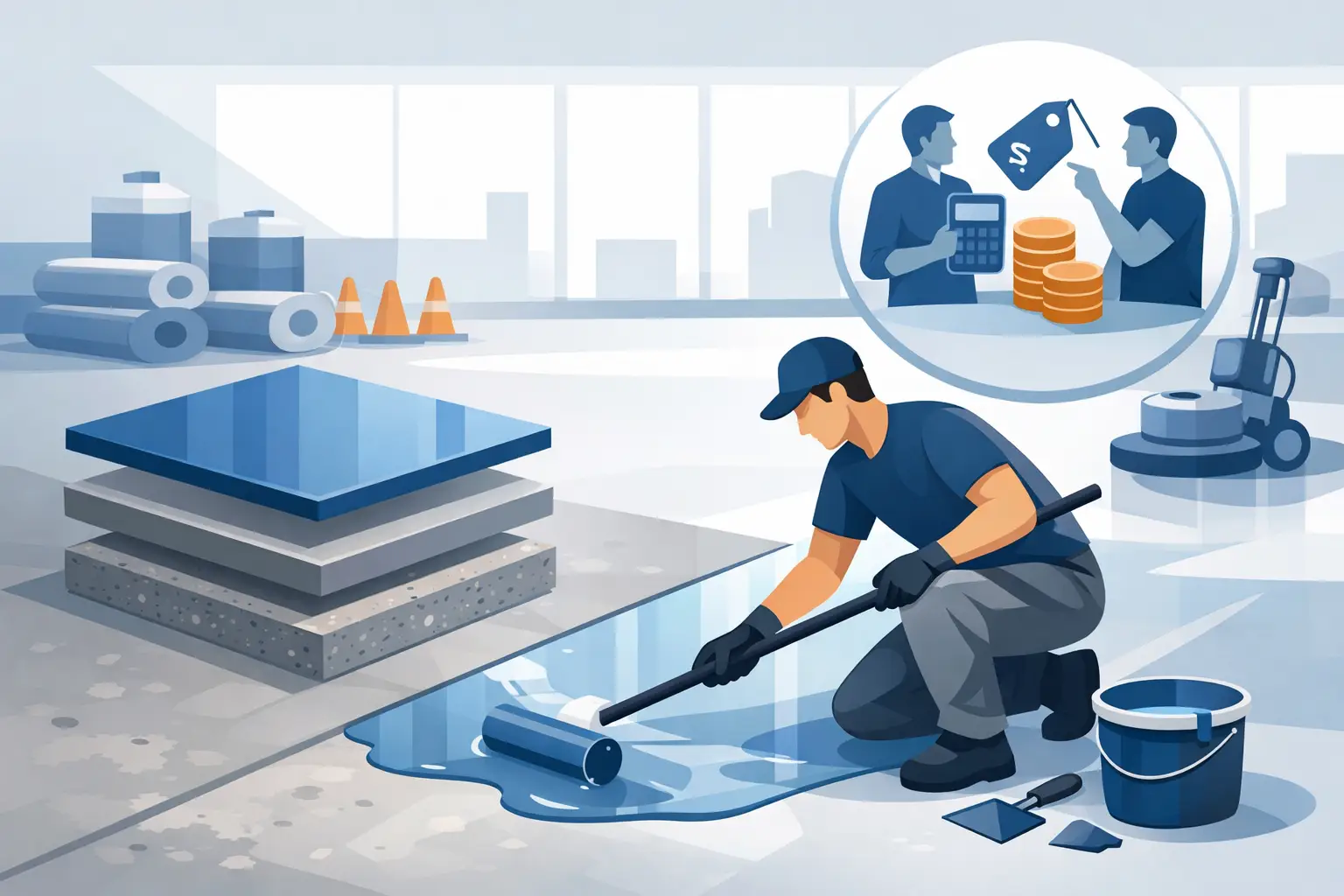
A low quote for epoxy usually looks good until the floor starts peeling, hot-tire lifting shows up in the garage, or wear paths appear far sooner than expected. Epoxy flooring installation cost is not just about square footage. It reflects the condition of the concrete, the system being installed, the level of preparation required, and how long the floor is expected to perform.
That matters whether you are upgrading a home garage, resurfacing a showroom, or fitting out a warehouse that sees forklifts and constant foot traffic. The right floor should improve appearance, reduce maintenance, and hold up under real use. A cheap install often does the opposite.
What affects epoxy flooring installation cost?
The biggest pricing factor is usually surface preparation. Epoxy is only as good as the concrete underneath it. If the slab is weak, contaminated, cracked, or holding moisture, extra work is needed before any coating goes down. Professional diamond grinding, crack repairs, patching, and moisture management all add to the cost, but they also protect the result.
System type is the next major variable. A basic solid-color epoxy coating is priced differently than a decorative flake system, and both sit well below the cost of a metallic epoxy floor or a heavy-duty industrial build. Some floors need more than a single coat. They may require primers, body coats, broadcast layers, topcoats, or chemical-resistant sealers depending on the environment.
Project size also changes the rate. Larger open areas often reduce the cost per square foot because setup, mobilization, and equipment time are spread across more space. Smaller jobs can cost more per square foot, especially if they involve detailed edging, tight access, or multiple rooms.
Then there is usage. A residential garage and a food prep area do not need the same specification. If the floor must handle oil, solvents, dropped tools, pallet traffic, or hygiene requirements, the build needs to match that demand.
Typical epoxy flooring installation cost by project type
For residential spaces, garage floors are usually the most common entry point. Homeowners often choose epoxy because bare concrete stains easily, creates dust, and tends to look tired fast. A professionally installed garage system typically costs more than a DIY kit because it includes proper grinding, repairs, and a heavier-duty coating build. Decorative flake systems are especially popular because they hide minor dust and tire marks better than plain colors while delivering a clean, finished look.
Metallic epoxy sits at the premium end of the residential range. It takes more material control, more installation skill, and more time to create a consistent finish. The visual impact is strong, but the price reflects that labor and artistry.
Commercial epoxy flooring installation cost depends on the use of the space as much as the size. Retail floors, showrooms, workshops, and back-of-house areas all have different needs. Some clients want appearance first. Others care more about abrasion resistance, cleaning speed, and minimal downtime. The price rises when the floor needs anti-slip texture, faster cure times, or extra topcoats for better wear.
Industrial and warehouse projects are often the most variable. A warehouse floor may need to withstand forklifts, pallet jacks, turning loads, and chemical spills. In those spaces, a thin decorative coating is rarely enough. Heavier systems cost more upfront, but they are built to absorb punishment without failing early.
Why cheap epoxy quotes can cost more later
There is a reason epoxy pricing can vary sharply from one contractor to another. Some quotes leave out the work that actually determines longevity.
The most common shortcut is poor preparation. If a surface is acid washed instead of mechanically ground, if cracks are skimmed over rather than repaired properly, or if moisture is ignored, the coating may bond poorly. It can look fine on day one and still fail within months.
Another shortcut is using thinner systems or lower-grade materials. On paper, the quote looks attractive. In practice, the floor may scratch faster, wear unevenly, discolor, or lose gloss much earlier than expected. Recoating a failed floor is usually more expensive than getting it done right the first time because removal and remediation add another layer of cost.
For business owners and facility managers, there is also operational cost. A failed floor can interrupt workflow, create cleaning problems, and present a poor impression to staff or customers. Price matters, but so does service life.
Cost per square foot versus total project value
Many people start by asking for a per-square-foot number, which is understandable. It is a useful starting point, but it does not tell the whole story.
A floor with heavy contamination from oil, old paint, tire residue, or previous coatings will need more preparation than clean, sound concrete. The square footage might be the same, but the labor will not be. The same applies to uneven slabs, expansion joint issues, or concrete with high moisture vapor transmission.
Access can also change the total. A clear, empty garage is easier to complete efficiently than a busy commercial site with restricted working hours, equipment to work around, or staged access requirements. If a contractor has to work nights, phase the project, or meet strict shutdown windows, the cost structure changes.
That is why serious installers quote based on the actual slab and the actual use case, not just a rough area measurement. A tailored system gives you a more accurate number and a floor that is fit for purpose.
Where premium installation earns its keep
A professionally installed epoxy floor should do more than cover concrete. It should solve problems.
For homeowners, that often means easier cleaning, a brighter garage, better stain resistance, and a finish that lifts the value and presentation of the space. For commercial operators, it may mean faster wash-downs, improved appearance for customers, and a safer surface under daily traffic. For industrial clients, it can mean resistance to impact, chemicals, and wear that would quickly damage untreated concrete.
The quality difference often comes down to what you cannot see after the project is finished. Proper moisture testing, the right primer, correct film build, controlled curing, and careful topcoat selection all contribute to long-term performance. These are not extras. They are part of a floor system that is meant to last.
That is where a specialist contractor stands apart from a general painter or budget coating crew. Companies such as Resin Masters build value through preparation standards, system selection, and installation discipline, not just the final gloss level.
How to budget for epoxy flooring installation cost
If you are comparing quotes, ask what is included before looking at the bottom line. Find out whether mechanical grinding is part of the scope, whether crack and surface repairs are allowed for, what coating system is being used, and what topcoat protection is included. Ask how the floor is expected to perform in your specific environment, not just how it will look when it is new.
It also helps to be clear about your priorities. If appearance is the main goal for a low-traffic area, a simpler system may be enough. If the floor will see vehicles, machinery, chemicals, or constant use, it makes sense to spend more on a build that can handle the load.
A warranty is worth attention too, but only if the installation standard behind it is strong. A guarantee should support proven workmanship, not compensate for vague specifications.
When epoxy is worth the investment
Not every concrete floor needs the highest-spec resin system available. But when you want durability, easier maintenance, a cleaner finish, and a surface built around how the space is actually used, epoxy becomes a smart investment rather than a cosmetic upgrade.
The real question is not just what epoxy flooring installation cost today. It is what the floor will cost over time if it has to be repaired, recoated, or replaced early. A well-installed system may carry a higher upfront price, but it often delivers better value where it counts – in performance, appearance, and reliability.
If you are planning a project, the best next step is to treat pricing as part of a bigger decision. The right floor should suit the slab, the traffic, and the expectations you have for the space years from now.
5 Responses