Servicing : Gold CoastBrisbaneSunshine CoastToowoomba

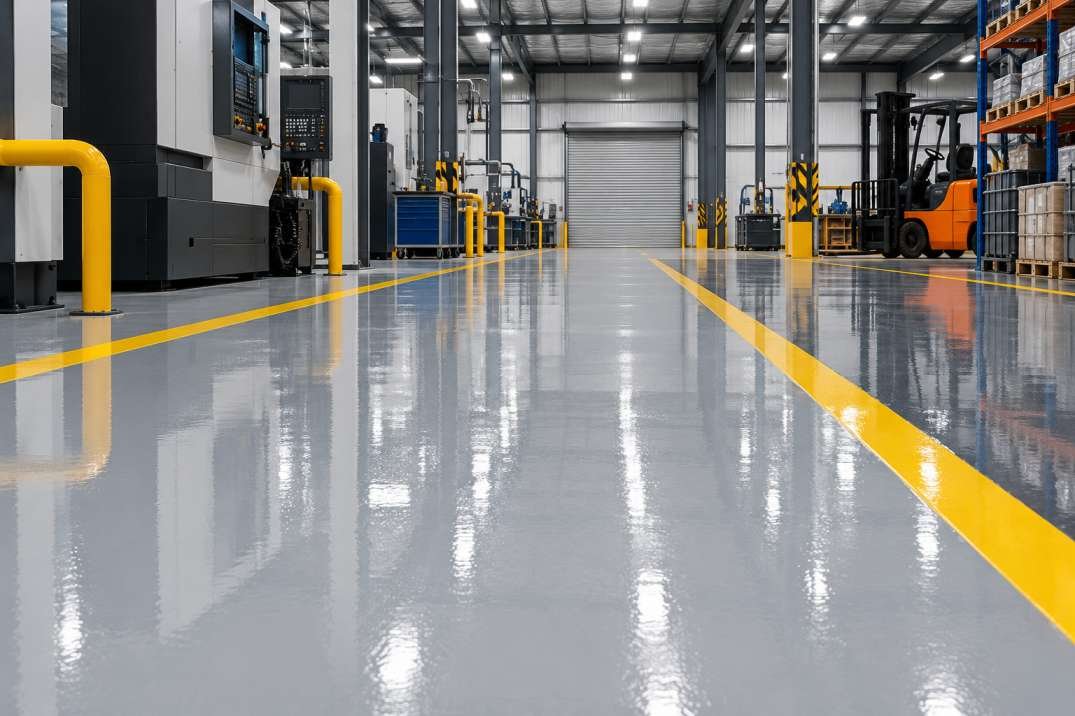
Epoxy Flooring for Industrial Units in Logan QLD
Quick Answer: Industrial epoxy flooring for Logan units — including Crestmead, Beenleigh, and Loganholme estates — typically costs $40–$80 per square metre depending on size and specification. Forklift traffic, chemical exposure, and compliance requirements determine the right system thickness and topcoat. This guide covers exactly what Logan industrial operators need to know.
Logan City has become one of South East Queensland’s most significant light-to-medium industrial corridors, with substantial commercial and industrial development clustered around Crestmead, Beenleigh, and the wider Loganholme area, extending along the Logan Motorway and Pacific Highway corridor. For businesses operating industrial units in this region, choosing the right epoxy flooring system is a genuine operational decision — not just a cosmetic one.
Why Industrial Units Need a Different Specification
Industrial epoxy flooring is fundamentally different from residential garage coatings. Industrial floors must handle sustained forklift traffic, point loads from racking and machinery, chemical spills, and often continuous shift-pattern use that residential floors never experience. A system specified for a home garage will fail rapidly under genuine industrial conditions.
Key Specification Factors for Logan Industrial Floors
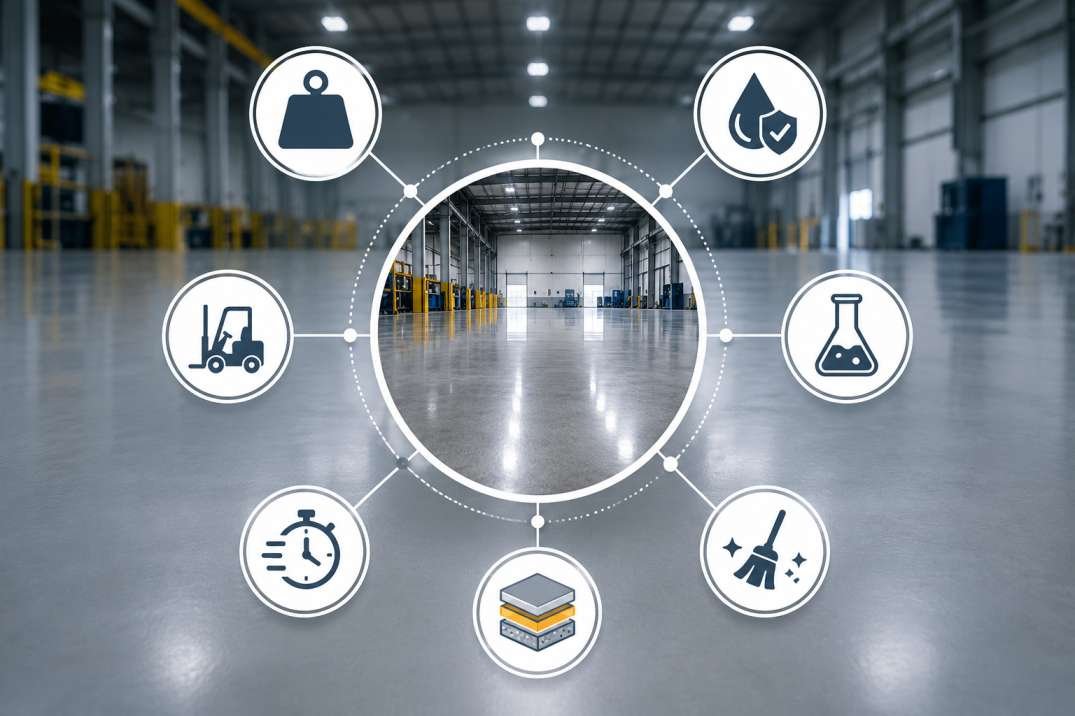
- Film Build (Coating Thickness)
Industrial floors require significantly thicker epoxy systems than residential applications — often multiple coats building to a total film thickness several times that of a standard garage floor. This added thickness provides the impact resistance and wear resistance needed for forklift and machinery traffic.
- Chemical Resistance
Depending on the operation — manufacturing, automotive, food-adjacent, warehousing — different chemical exposure profiles require different epoxy formulations. 100% solids epoxy systems offer the strongest chemical resistance and are the standard recommendation for genuine industrial use in Logan’s manufacturing and logistics-focused estates like Crestmead.
- Slip Resistance and Safety Compliance
Industrial floors in Logan must meet workplace safety requirements for slip resistance, particularly in areas with potential for spills or wet conditions. Non-slip aggregate additives are incorporated into the topcoat to achieve compliant slip-resistance ratings.
- Line Marking and Zone Demarcation
Most industrial Logan operators require floor line marking — safety walkways, forklift exclusion zones, racking bay boundaries, and storage zone delineation. This is typically applied as part of the epoxy installation using durable, high-visibility line marking paint integrated with the coating system.
- Static Control (Where Required)
Facilities handling sensitive electronics or operating in environments with explosion risk may require static-dissipative epoxy flooring — a specialised system designed to control static electricity buildup. This is a niche but important consideration for certain Logan industrial operations.
Pricing for Logan Industrial Epoxy Flooring
| Facility Type | Cost per m² | 200m² Unit | 500m² Unit |
| Light Industrial / Storage | $40–$55 | $8,000–$11,000 | $20,000–$27,500 |
| Medium Industrial / Manufacturing | $50–$70 | $10,000–$14,000 | $25,000–$35,000 |
| Heavy Industrial / Chemical Resistant | $65–$90 | $13,000–$18,000 | $32,500–$45,000 |
| Static-Dissipative System | $80–$120 | $16,000–$24,000 | $40,000–$60,000 |
Logan Industrial Areas We Service
Resin Masters provides industrial epoxy flooring services across Logan City’s key commercial and industrial precincts, including Crestmead (designed specifically for light-to-medium manufacturing), Beenleigh, Loganholme, Meadowbrook, Logan Central, and the broader industrial corridor along the Logan Motorway and Pacific Highway/Kingston Road triangle.
Minimising Downtime During Installation
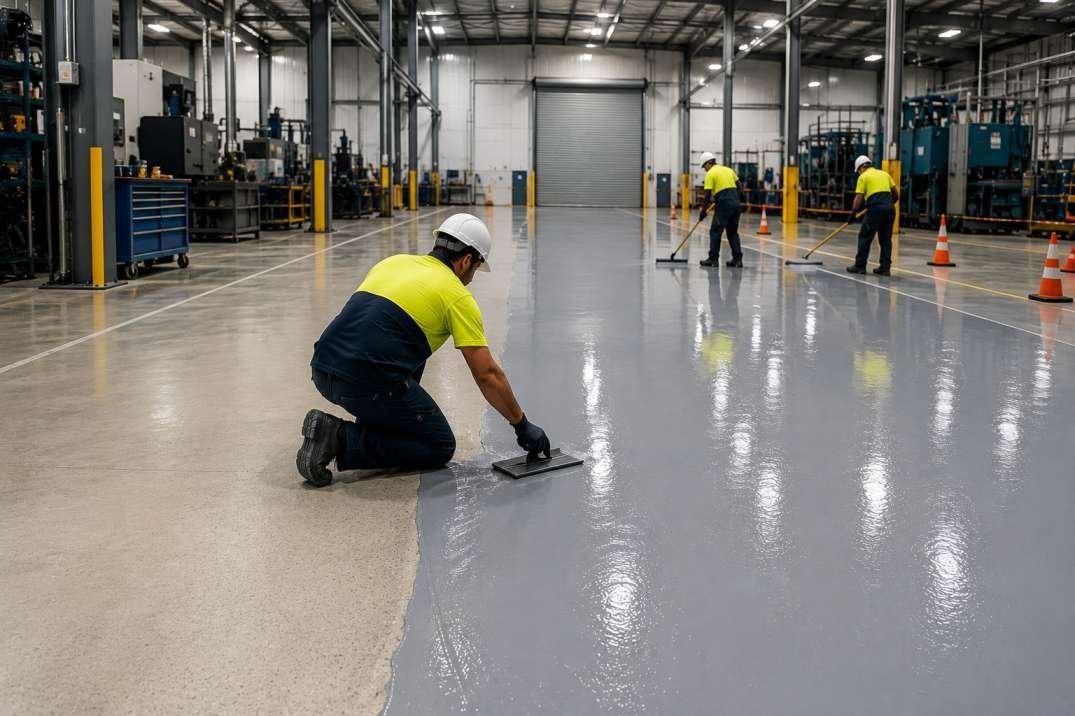
For operating businesses, floor downtime is a genuine cost concern. Resin Masters can section larger Logan facilities to allow partial operation during installation, schedule work around shift patterns or trading hours, and use faster-curing polyaspartic topcoats where appropriate to reduce the total downtime window.
Maintenance for Industrial Epoxy Floors
Properly specified industrial epoxy requires minimal maintenance — regular sweeping to remove abrasive debris, and occasional washing with appropriate cleaning agents. Avoid harsh solvents not compatible with the specific epoxy system installed, and address any chips or wear points promptly with spot repairs to prevent them expanding under continued traffic.
Also Read:- Garage Flooring Options for Logan City Homes: Full Comparison
Frequently Asked Questions
How long does industrial epoxy flooring last in a Logan warehouse?
With proper specification matched to actual usage, industrial epoxy flooring in Logan typically lasts 7–15 years, with heavier forklift and chemical exposure environments at the lower end of that range.
Can epoxy flooring be installed without stopping operations completely?
In many cases, yes. Larger facilities can often be sectioned to allow partial operational continuity, and scheduling around trading hours or shifts can minimise disruption.
What’s the difference between commercial and industrial epoxy flooring?
Commercial flooring (retail, office, café) typically uses a thinner system focused on appearance and moderate foot traffic. Industrial flooring requires significantly thicker, more chemical and impact-resistant systems engineered for forklift traffic and heavy machinery use.
Operating an industrial unit in Logan? Resin Masters provides FREE on-site assessments and can specify the right epoxy system for your facility’s actual usage. Call +61 433 733 956 or visit resinmasters.com.au.