Servicing : Gold CoastBrisbaneSunshine CoastToowoomba

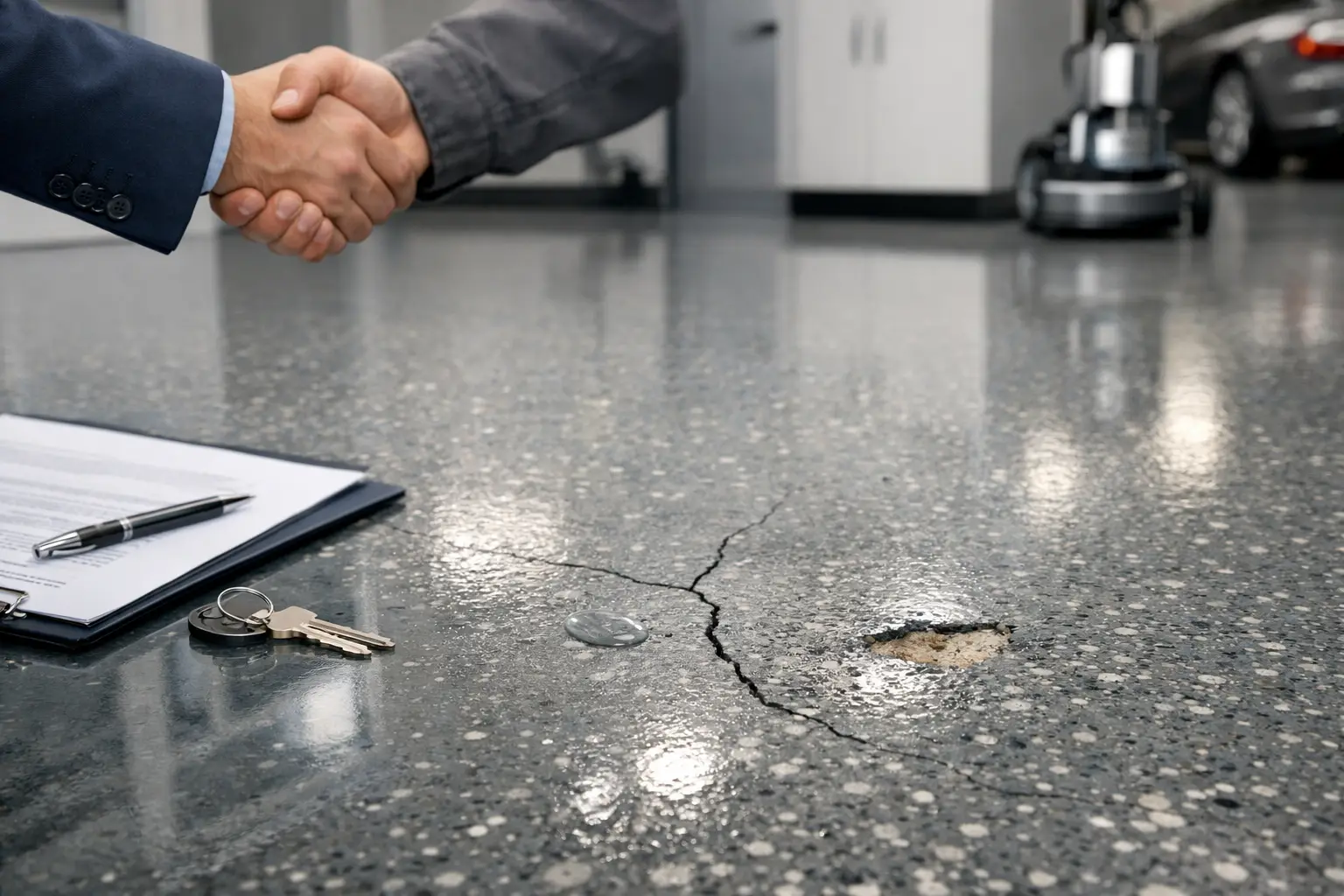
What an Epoxy Floor Warranty Should Cover
A new epoxy floor can look flawless on handover day. The real test comes after summer heat, wet tyres, forklifts, dropped tools, cleaning chemicals and daily foot traffic have had their say. That is where an epoxy floor warranty matters. It gives you a clear standard for workmanship and coating performance, while also setting fair expectations for how a resin floor must be used and maintained.
For homeowners, builders and facility managers, the best warranty is not simply the longest number printed on a quote. It is one backed by proper concrete preparation, moisture management, proven materials and a local contractor who will still be there if an issue needs attention.
What an epoxy floor warranty is designed to protect
An epoxy flooring warranty generally covers failure caused by the installation process or the coating system itself. Depending on the written terms, this may include coating delamination, peeling, blistering or abnormal loss of adhesion where the floor has been installed and used as specified.
The key word is failure. A professional warranty is intended to cover a floor that has not performed as it should because of a workmanship or product issue. It is not a blanket replacement policy for every mark, chip or change that develops over years of use.
A quality contractor should explain the warranty before work begins, not introduce the details after the floor is complete. You should understand the warranty period, the coating areas it applies to, the conditions that must be met, and the process for reporting a concern.
Why surface preparation determines warranty strength
Most epoxy floor failures do not start at the visible topcoat. They begin beneath it, at the concrete surface. If the slab is weak, contaminated, overly smooth or holding excessive moisture, even a premium coating can struggle to bond properly.
Professional preparation typically involves mechanically grinding the concrete to create the correct surface profile, repairing cracks and local damage, removing contaminants, and thoroughly cleaning the area before the coating is applied. This is not a cosmetic step. It is the foundation of a floor built to handle vehicles, equipment and Queensland conditions.
Moisture deserves particular attention across Brisbane, the Gold Coast and the Sunshine Coast. High humidity, coastal air and moisture movement through concrete can affect resin systems if they are not properly assessed and managed. A contractor who checks moisture conditions and selects the right primer or moisture-control approach is protecting the floor long before the decorative finish is installed.
This is also why cheap coating jobs often come with vague warranties. If preparation has been rushed, there is little confidence behind the finish. A clear, meaningful warranty reflects a contractor’s willingness to stand behind the work completed beneath the coating as much as the finished colour or flake blend you can see.
The warranty should match the floor’s intended use
A domestic garage and a busy warehouse do not place the same demands on a coating system. Garages may face hot tyre pickup, tyre marks, occasional chemical spills and heavy point loads from jacks or stands. Commercial kitchens, showrooms and workshops may need higher slip resistance, specific cleaning tolerance or greater abrasion resistance. Warehouses need a system capable of handling pallet jacks, forklifts and sustained traffic routes.
The right epoxy floor warranty will be based on the agreed use of the space. Be upfront about how the floor will operate. If a warehouse is likely to carry forklift traffic, that needs to be considered in the coating specification. If a garage will be used for vehicle storage and weekend mechanical work, say so before the quote is prepared.
A coating system can be exceptionally durable when it is specified for the job. Problems arise when a light-duty decorative system is expected to perform like an industrial floor, or when a floor’s use changes significantly after installation.
What is commonly excluded from warranty cover
Every legitimate warranty has exclusions. These are not necessarily warning signs. They define the boundary between a workmanship defect and normal wear, accidental damage or conditions outside the installer’s control.
Common exclusions can include damage caused by impact, dragging sharp metal objects, abuse, fire, flooding, structural movement in the concrete, and chemical exposure beyond the system’s stated tolerance. Surface scratches and wear in high-traffic areas may also be considered part of normal use rather than a coating failure.
Concrete cracking is another area that needs a practical view. Cracks can be repaired before coating, but concrete remains a structural material that may move over time. If the slab develops new movement or wider cracks due to settlement, ground conditions or structural issues, the coating may reflect that movement. An epoxy contractor cannot warrant the long-term stability of a slab they did not build.
Poor maintenance can also affect cover. Harsh cleaners, neglected oil spills, abrasive tools and unsuitable rubber mats may damage or stain some finishes. Your installer should provide care advice at handover, including suitable cleaning products and how to deal with spills promptly.
Questions to ask before accepting a flooring quote
A warranty should never be judged by the headline period alone. Ask for the written terms and take a few minutes to understand what supports them. The answers will tell you far more about the quality of the installation than a broad promise of a ‘guaranteed’ floor.
Ask what preparation method will be used, whether concrete moisture will be assessed, and what coating system is being specified for your space. Confirm whether the warranty covers both materials and workmanship, and ask how any defect will be inspected and rectified. It is also sensible to ask what maintenance is expected of you and whether particular uses, chemicals or traffic types are excluded.
For commercial sites, ask how the system addresses slip-resistance requirements. Floors in areas exposed to water, spills or regular public access may need a finish designed to support compliance with relevant Australian standards, including AS 4586 where applicable. A warranty does not replace appropriate specification for safety.
A 7-year warranty is only as good as the work behind it
Resin Masters provides a 7-year warranty because premium materials alone are not enough. Long-term performance depends on disciplined preparation, moisture-aware installation and a coating system selected for the conditions on site.
That approach matters in a residential garage just as much as it does in a commercial workspace. A floor may need to withstand hot tyres after a Queensland drive, resist oil and grime around a ute, or keep a warehouse looking professional under constant daily use. The specification must suit the reality of the space, not just the appearance you want on day one.
A seven-year warranty should give clients confidence, but it should also come with transparency. The exact written warranty terms, floor condition and agreed use remain the reference point for each project. That protects both parties and keeps the conversation focused on real performance rather than vague promises.
Care helps preserve the finish
Epoxy and flake floors are low-maintenance, not no-maintenance. Sweep abrasive dirt regularly, clean spills before they sit on the surface, and use a soft mop with a suitable neutral cleaner. Place protection beneath sharp or concentrated loads where practical, particularly in workshops and storage areas.
For warehouses and commercial facilities, establish a cleaning routine that suits the traffic level and contaminants present. Regular care keeps the floor safer, cleaner and easier to inspect. It also makes it easier to spot any genuine issue early, while it can be assessed properly.
The most reliable warranty starts before coating begins
When comparing epoxy flooring proposals, look beyond the warranty duration. A contractor who inspects the slab, asks how the area will be used, explains moisture risks and provides clear written terms is doing the work that gives a warranty real value.
The right floor should deliver more than a polished finish. It should provide dependable protection under the conditions your property faces, with a workmanship commitment that is clear from the first site inspection through to years of everyday use.