Servicing : Gold CoastBrisbaneSunshine CoastToowoomba

Menu
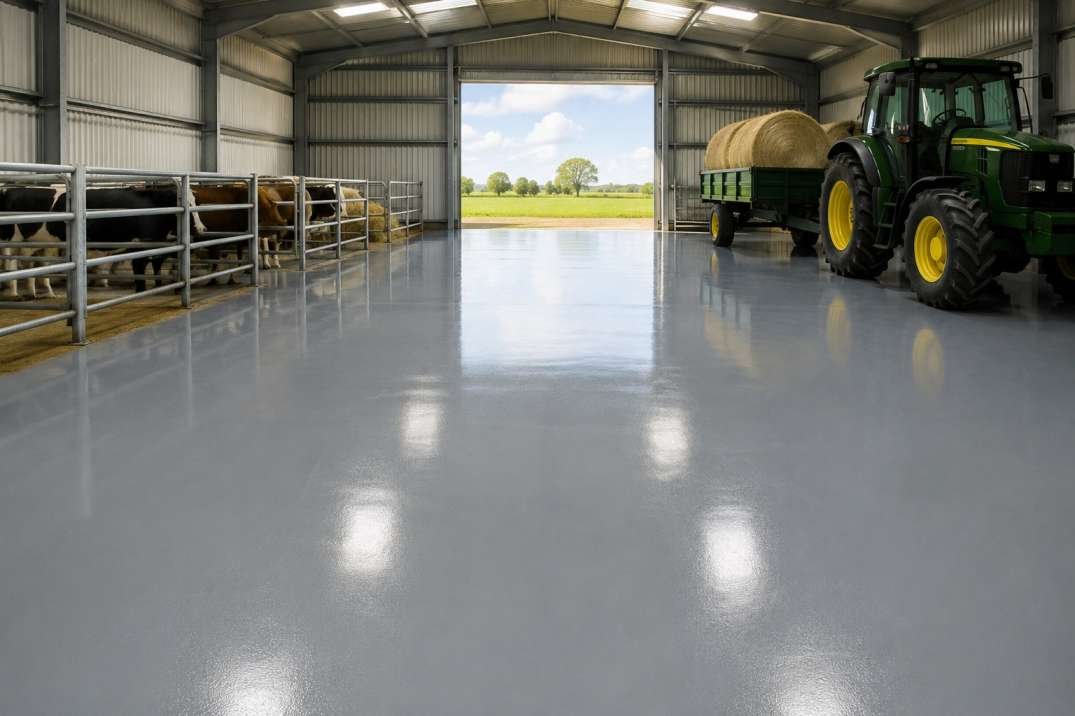
Epoxy Flooring for Farm and Agricultural Buildings Toowoomba
August 8, 2026
Team
Quick Answer: Epoxy flooring works well for many farm and agricultural buildings across the Toowoomba and Darling Downs region — particularly machinery sheds, workshops, and dry storage areas — offering chemical resistance, easy cleaning, and durability under heavy equipment. Livestock and wet-process areas require different specifications. This guide covers what genuinely works for agricultural applications.
The Darling Downs region surrounding Toowoomba supports a substantial agricultural sector, and many property owners are now looking beyond bare concrete or compacted road base for their machinery sheds, workshops, and farm buildings. Epoxy flooring can deliver genuine value in the right agricultural applications — here’s an honest breakdown of where it works best.
Where Epoxy Flooring Works Well on Toowoomba Farms
Machinery Sheds and Workshops
This is where epoxy flooring delivers the clearest value for Toowoomba farm properties. A properly specified epoxy system handles tractor and machinery weight, resists oil, coolant, and fuel spills, and makes cleaning genuinely easier than bare or painted concrete. Dropped tools and equipment are far less likely to damage the surface compared to unprotected concrete.
Workshop and Maintenance Areas
For the workshop component of a larger farm shed — where machinery maintenance, welding, and general repairs happen — a heavy-duty quartz broadcast or flake system provides the grip and durability needed for genuine hands-on agricultural trade work.
Dry Storage Areas
Equipment and dry goods storage areas benefit from epoxy’s easy-clean, dust-reducing surface — particularly valuable for reducing the rural dust that’s a constant challenge in open or semi-open Darling Downs sheds. Get a free Quote!
Where Different Solutions Make More Sense
Livestock Areas
Areas housing livestock typically need texture and drainage considerations that standard epoxy doesn’t address as effectively as purpose-built livestock flooring systems. Epoxy can work in specific applications with appropriate non-slip and drainage detailing, but this requires careful specification — a standard residential-style epoxy system is not appropriate here.
Hay and Feed Storage
Moisture management is the priority for hay and feed storage — a raised slab with proper moisture barrier matters more than the floor coating itself. Epoxy can be a sensible addition once the underlying moisture management is correctly handled.
Open-Sided Sheds with Full Weather Exposure
Standard epoxy isn’t suited to fully exposed, open-sided agricultural buildings facing direct sun and rain. A polyaspartic system, or accepting a sealed concrete finish instead, is often the more practical choice for genuinely open structures.
Why Agricultural Specification Differs from Residential
|
Factor |
Residential Garage |
Farm/Agricultural Building |
|
Typical floor thickness needed |
Standard build |
Often thicker — heavier machinery loads |
|
Chemical exposure profile |
Light — occasional oil/fuel |
Heavier — fuel, fertiliser, chemicals, machinery fluids |
|
Slip resistance priority |
Moderate |
High — often wet/muddy boots and equipment |
|
Dust management value |
Lower priority |
High priority — reduces rural dust significantly |
|
Typical floor size |
18–40m² |
Often 150m²+ for machinery sheds |
Pricing for Agricultural Epoxy Flooring Around Toowoomba
|
Building Type |
Cost per m² |
200m² Building |
400m² Building |
|
Machinery Shed (standard) |
$45–$65 |
$9,000–$13,000 |
$18,000–$26,000 |
|
Workshop Area (heavy use) |
$65–$90 |
$13,000–$18,000 |
$26,000–$36,000 |
|
Chemical-Resistant Specification |
$70–$100 |
$14,000–$20,000 |
$28,000–$40,000 |
Practical Considerations for Toowoomba Farm Properties
- Slab condition: Many farm shed slabs are functional but not finished to residential standard — expect some additional crack repair in the quote
- Access for equipment: Larger rural properties may have longer access requirements for grinding equipment and material delivery
- Staging work: For operating farms, sectioning the floor or scheduling around seasonal downtime can minimise disruption
- Realistic expectations: Agricultural epoxy flooring is about function and durability first — a practical, hard-wearing investment rather than a purely cosmetic one. Contact Us!
Also Read:- Chemical Resistant Floor Coatings: The Complete Guide for Australian Industrial and Commercial Facilities
Frequently Asked Questions
Is epoxy flooring suitable for a Toowoomba machinery shed?
Yes — properly specified epoxy handles machinery weight, fuel and oil exposure, and provides a much easier-to-clean surface than bare concrete, making it a genuinely good investment for active machinery sheds.
Can epoxy flooring be used in a dairy shed?
Specific areas can benefit from epoxy with appropriate non-slip and drainage detailing, but dedicated dairy and livestock flooring specifications are often more appropriate for animal housing areas. We’re happy to discuss what genuinely suits your specific farm application.
How does Toowoomba’s climate affect farm shed epoxy flooring?
The inland climate is generally favourable, though proper preparation and UV-stable topcoats remain important for any areas with sun exposure through open doors or skylights.
Considering epoxy flooring for your Toowoomba farm shed or agricultural building? Resin Masters will give you an honest assessment of what works for your specific application. Get a FREE quote: +61 433 733 956 or resinmasters.com.au.
Also Read:- Best Industrial Floor Coating for Toowoomba Sheds and Workshops