Servicing : Gold CoastBrisbaneSunshine CoastToowoomba

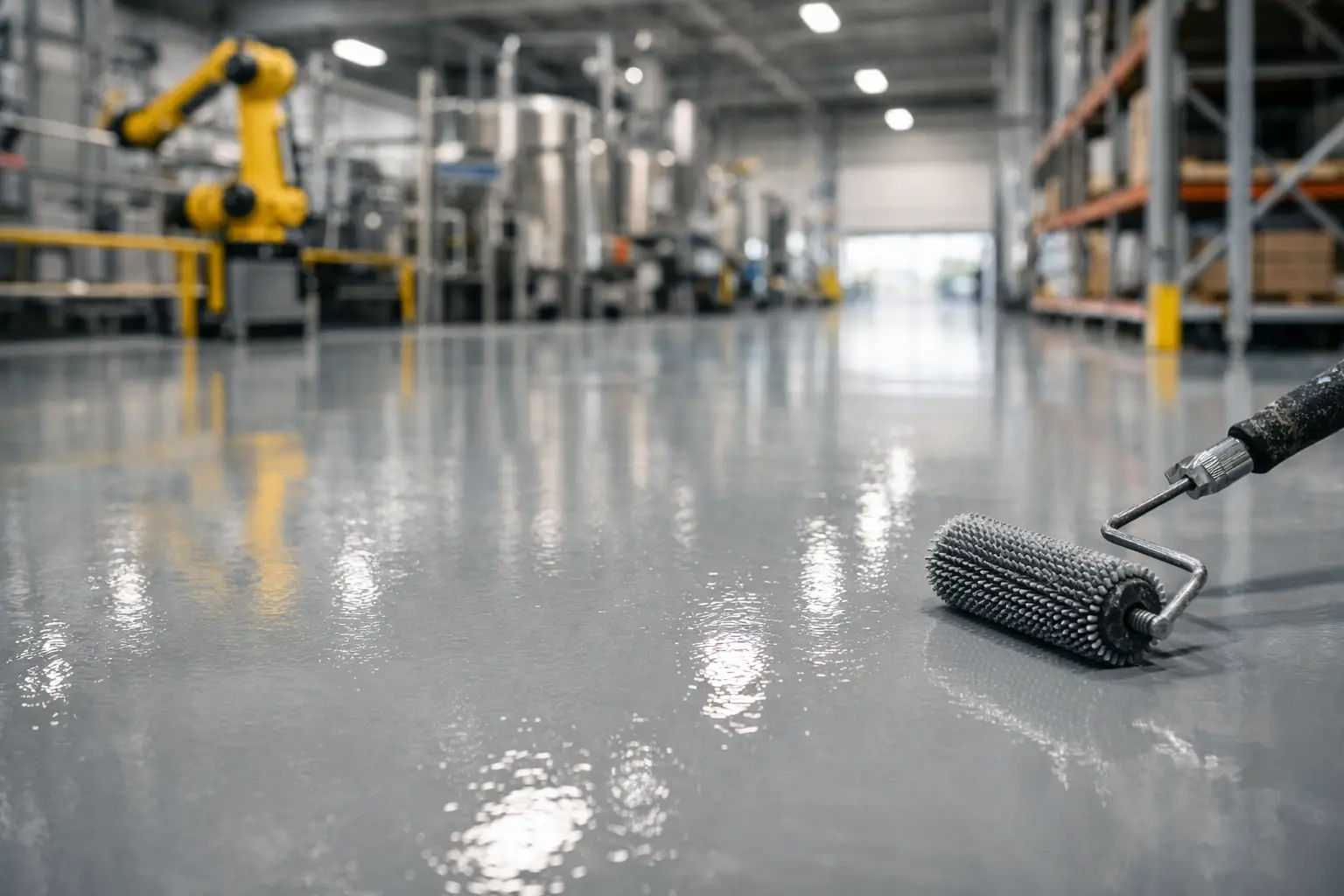
Industrial Epoxy Flooring That Lasts
Forklifts turning all day, dropped tools, pallet traffic, oil drips, washdowns – industrial floors cop a beating. Industrial epoxy flooring is built for exactly that kind of environment, but the result depends heavily on what sits underneath it and how it is installed. A good-looking finish is one thing. A floor that keeps performing under pressure for years is another.
For warehouses, factories, workshops and commercial back-of-house spaces, flooring is not just a cosmetic choice. It affects safety, cleaning time, equipment movement, downtime and long-term maintenance costs. When the slab is prepared properly and the coating system is matched to the site, epoxy creates a dense, hard-wearing surface that is easier to maintain and far more professional in appearance than bare concrete.
What industrial epoxy flooring is designed to do
At its core, industrial epoxy flooring is a resin-based coating system applied over prepared concrete to create a sealed, durable surface. In industrial settings, that surface needs to do more than look tidy. It has to resist abrasion, support traffic, handle chemical exposure and reduce dust from exposed concrete.
That matters in practical ways. Dusty concrete can affect stock, machinery and indoor cleanliness. Porous, unsealed slabs stain easily and are harder to wash down. Cracks and worn areas can turn into maintenance issues or trip hazards. Epoxy helps solve those problems by creating a continuous finish that is tough, hygienic and easier to keep under control.
Not every site needs the same build-up. A light-duty workshop and a high-traffic warehouse do not ask the same thing of a floor. Some projects need a straightforward protective coating. Others need heavy-duty systems, slip-resistant textures, line marking integration or extra chemical resistance. This is where experience matters, because over-specifying wastes money and under-specifying creates failure.
Why preparation matters more than the topcoat
This is the part many buyers do not see, yet it makes the biggest difference. The performance of industrial epoxy flooring comes down to surface preparation first and product selection second. If the concrete is not assessed, repaired and mechanically prepared properly, even premium materials can fail.
Concrete can hold moisture, contamination and weak surface laitance. Old slabs often have oil penetration, patch repairs or hairline cracking. Newer slabs may still have curing compounds or excess moisture. If these issues are coated over instead of addressed, the epoxy may blister, peel or delaminate.
Professional installation starts with understanding the slab condition. That usually means mechanical grinding, crack and joint repair where needed, and checking moisture levels before coating begins. In Queensland, that moisture step is especially important. Humidity and slab vapour transmission can affect adhesion, particularly in enclosed or coastal environments. A proper moisture-control approach is not a nice extra. On some sites, it is the difference between a floor that lasts and one that becomes a problem.
Where industrial epoxy flooring performs best
Industrial epoxy is a strong fit for warehouses, manufacturing areas, workshops, plant rooms, storage facilities and service corridors. It is also widely used in food-adjacent areas, commercial garages and trade spaces where cleanliness and durability both matter.
In warehouses, the biggest advantages are wear resistance, easier cleaning and a brighter, more uniform floor surface. A well-finished epoxy floor reflects light better than plain concrete, which can help the space feel cleaner and more organised. For operators moving pallets or running forklifts, a smoother and more consistent surface also supports day-to-day function.
In workshops and service bays, resistance to oil, grease and routine spills is a major benefit. Bare concrete absorbs contamination quickly, and that leads to staining and cleaning headaches. Epoxy creates a sealed surface that is far easier to maintain.
In processing or washdown environments, hygiene becomes more important. Because epoxy flooring is seamless, there are fewer places for grime and residue to collect compared with rough or damaged concrete. That does not replace proper cleaning procedures, but it gives staff a far better surface to work with.
The trade-offs to understand before you choose it
Epoxy is a premium flooring solution, but it is not magic and it is not always the right fit for every site. If the concrete is moving significantly, heavily cracked or consistently exposed to conditions outside the coating system’s limits, another resin solution may be more suitable.
There is also the issue of downtime. Proper industrial epoxy flooring installation takes planning. Surface preparation, repairs, priming, coating build and curing all need to be factored in. If a business expects a full industrial system to be installed overnight with zero disruption, that is usually unrealistic. The right contractor will be upfront about staging, cure times and how to minimise interruption.
Slip resistance is another area where balance matters. A smoother floor is easier to clean, but if the area is exposed to water, oils or frequent spill risk, additional texture may be needed to help meet safety requirements. More texture generally improves grip, but it can also make cleaning more involved. The best outcome is not the roughest floor or the glossiest floor. It is the floor that suits the actual use of the space.
Choosing the right system for the site
Not all epoxy floors are identical. Thickness, number of coats, aggregate inclusion, topcoat type and finish level all affect performance. A light-use storeroom may only need a practical protective coating. A warehouse with constant traffic may need a heavier-duty system built for abrasion and impact. Areas exposed to chemicals may need a more specialised specification.
Colour also plays a practical role. Mid-tone greys remain a popular option because they present well, hide dust better than very dark finishes and suit industrial spaces without looking harsh. Safety zones, walkways and work areas can also be integrated into the flooring plan through line marking and colour separation.
For sites that require compliance attention, slip resistance should be considered early. Australian slip-resistance standards are relevant in many commercial and industrial environments, especially where staff movement, public access or wet areas are involved. This should be addressed at the specification stage, not as an afterthought once the floor is already down.
Why local conditions change the installation approach
A flooring system that performs well in one region can run into trouble in another if the installer does not account for local conditions. In South-East Queensland, heat, humidity and moisture are not minor considerations. They influence curing, adhesion and long-term performance.
That is why experienced contractors pay close attention to slab condition and ambient conditions before and during application. Coastal and humid environments can demand a more disciplined approach to moisture management and timing. Rushing a job in poor conditions may save a day up front and cost months later in rectification.
For facility managers and builders, this is worth remembering when comparing quotes. Price matters, but it should be weighed against preparation standards, coating build, moisture-control methods and the installer’s willingness to stand behind the work. A cheaper floor can become the expensive one very quickly if it fails under traffic.
What to expect from a professional installation
A properly managed project should start with a site inspection and a clear recommendation based on the slab, the traffic load and the operating environment. From there, the process should cover preparation, repairs, moisture assessment, system selection and a realistic installation schedule.
You should also expect straight answers about what the floor will and will not do. Good contractors do not promise that every epoxy floor is indestructible. They explain wear expectations, cleaning requirements and any limitations based on the site. That kind of honesty is usually a sign that the workmanship will be solid too.
For businesses and property owners looking for premium results, the finish should feel deliberate from start to finish. The floor should be level in appearance, consistent in texture and installed with attention to edges, joints and transitions. That is where workmanship shows.
Resin Masters approaches industrial projects with that standard in mind – rigorous preparation, premium-grade materials and systems built for long-term performance rather than quick cosmetic wins.
Is industrial epoxy flooring worth it?
If your floor is taking daily punishment, creating dust, staining constantly or dragging down the presentation of the space, industrial epoxy flooring is often a smart investment. It protects the slab, improves cleanability and gives the site a more professional, better-performing surface.
The value is strongest when the system matches the use of the building and the installation is done properly. That means no shortcuts on preparation, no guesswork around moisture and no generic one-size-fits-all recommendation. Whether it is a warehouse, workshop or commercial service area, the best floor is the one built for the conditions on site and the way your team actually works.
If you are weighing up options, look past the gloss and ask the harder questions about prep, moisture, slip resistance and expected lifespan. That is where the real quality sits, and that is what keeps a floor performing long after the job is finished.